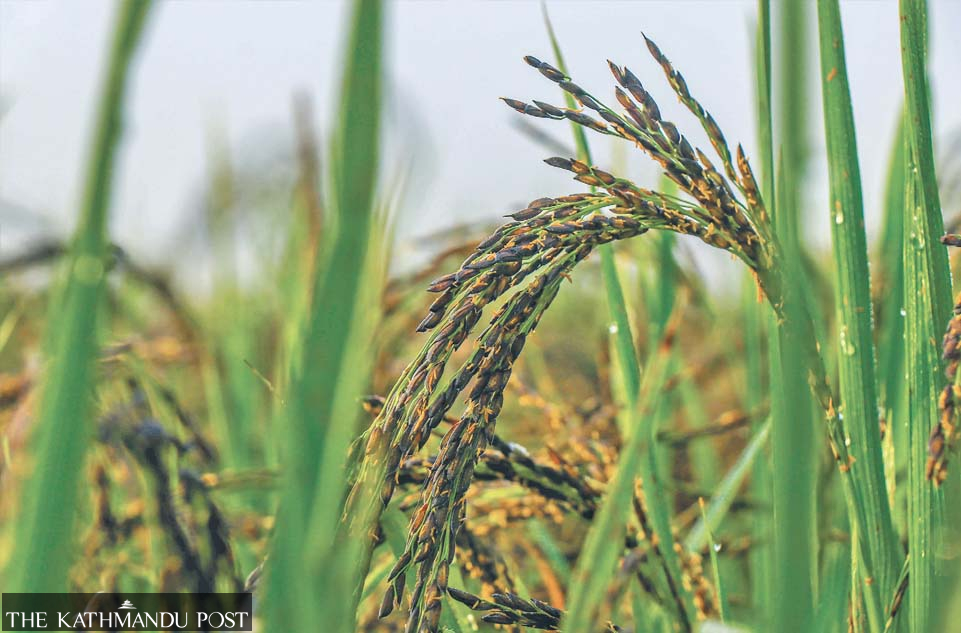
Nepal is growing more rice but losing indigenous varieties
Summary
Nepal’s farmers are rapidly replacing indigenous rice varieties with higher-yielding hybrids, putting dozens of traditional seeds at risk of disappearing. In Kapilvastu, the once-common Kalanamak rice has fallen sharply as commercial pressures, disease and changing weather reshape the country’s paddies.
Key Points
- Farmers across the Tarai, especially in Madhesh province, are replacing indigenous rice varieties with imported hybrid seeds that mature faster and yield more.
- Traditional varieties such as Sona Mansuli have been banned or are now rarely grown, while Nepal’s documented indigenous rice varieties are shrinking to a small share of cultivation.
- Experts warn that the loss of indigenous rice is also eroding genetic diversity and could threaten long-term food security and agricultural resilience.
- Kalanamak rice, once common in Kapilvastu and linked to Buddhist heritage, has declined from thousands of hectares to just a small fraction today.