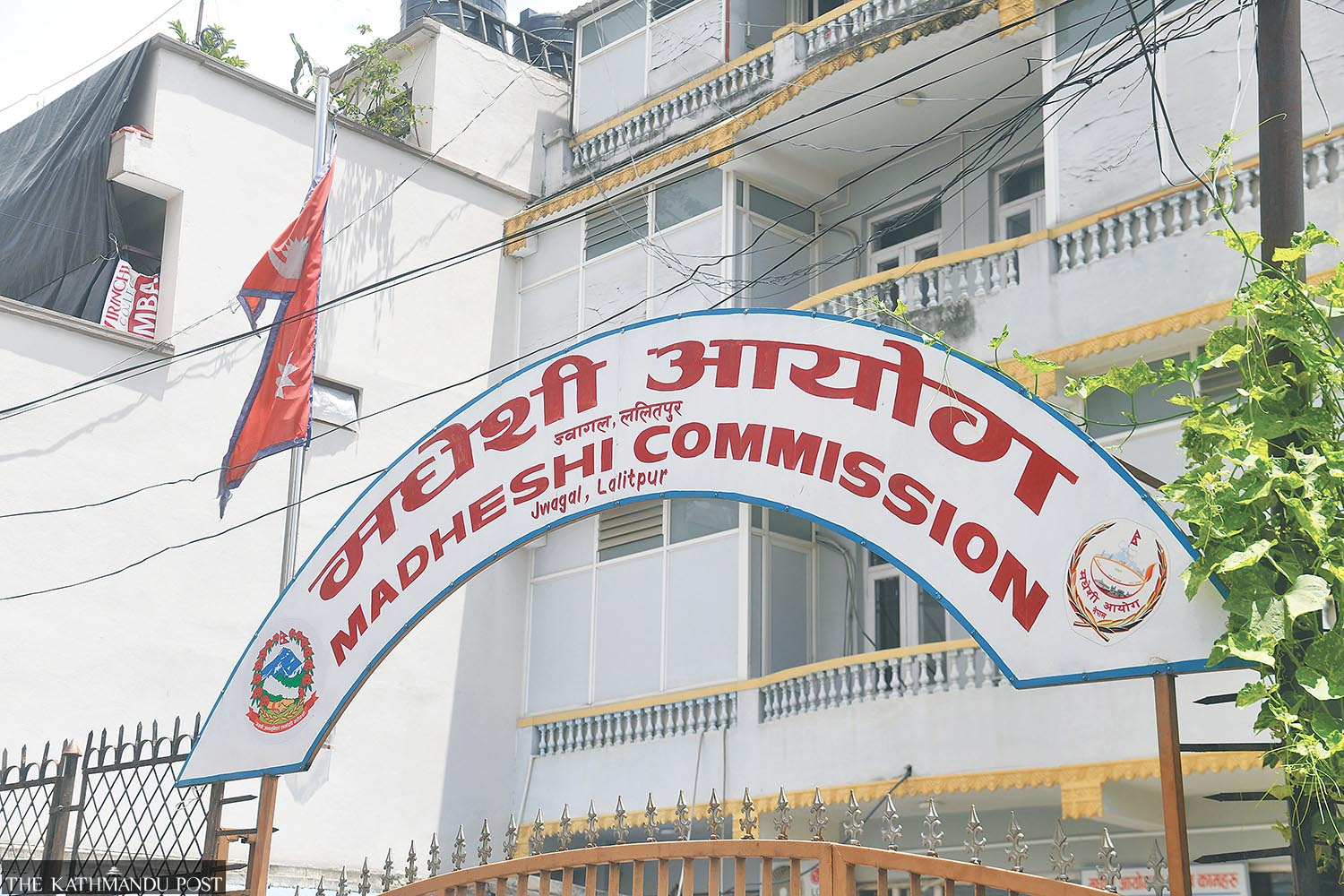
Commissions for Nepal’s marginalised left powerless
Summary
Nepal’s constitutional commissions for marginalised communities are facing criticism for weak mandates, chronic underfunding and poor implementation of their recommendations. Officials say the bodies have largely become symbolic, with many spending almost all of their budgets on salaries and administration.
Key Points
- Seven constitutional commissions meant to protect marginalised groups in Nepal are being criticised as largely ineffective because of weak legal authority and chronic underfunding.
- Officials say most of their budgets go to salaries and administrative costs, while very little is spent on programmes or community-focused work.
- Recommendations made by the commissions are often ignored by the government and Parliament, with only a small share being implemented.
- The article says the upcoming constitutional review should be used to strengthen or restructure the commissions, rather than preserve the current framework.