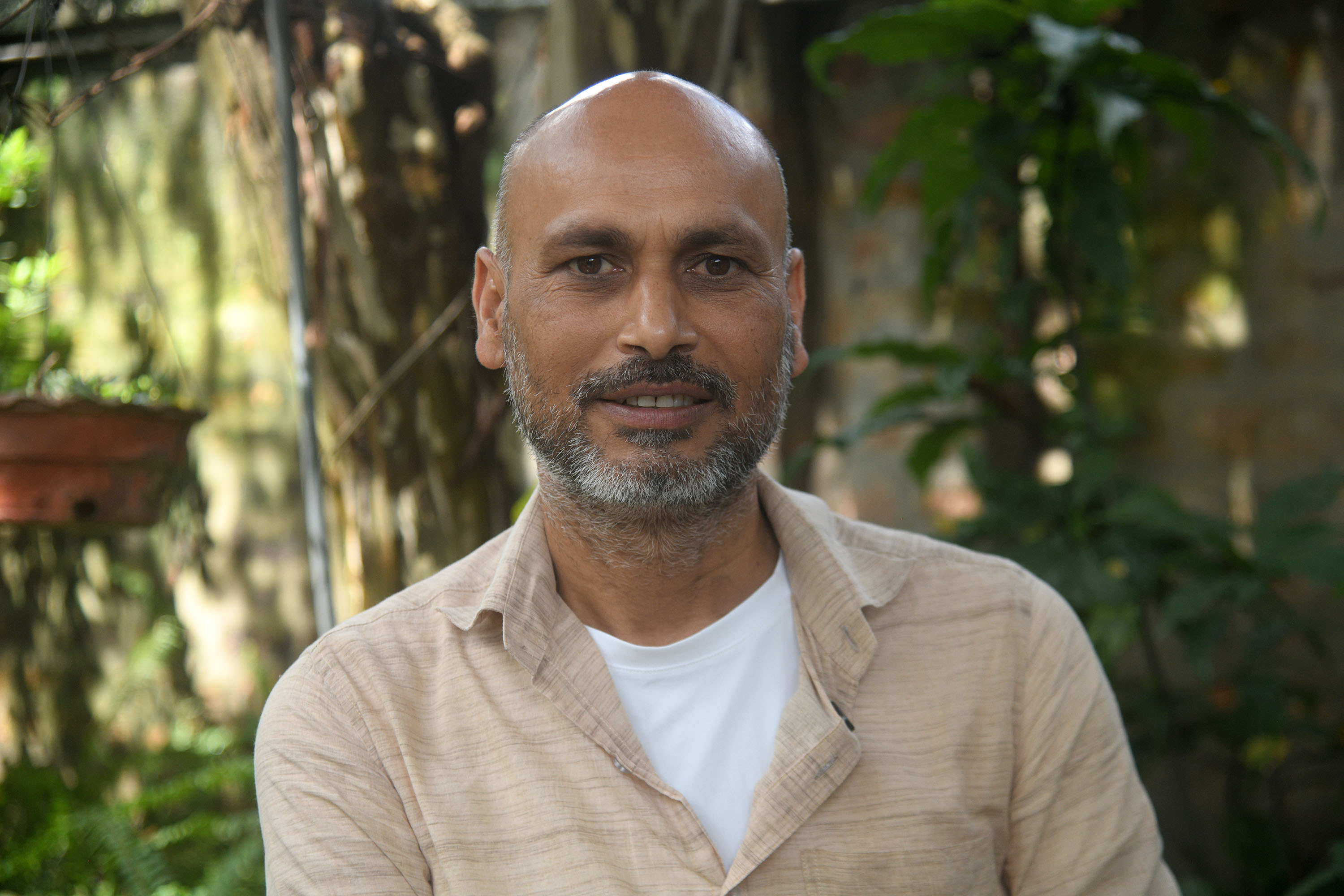
Q&A: Fluid organisational structures were used to propagate religious hate
Summary
Communal tensions in Nepal's Tarai-Madhesh region have been exacerbated by the expansion of religious politics and fluid organisational tactics, challenging the state's secular roots. Government responses have involved coercion and selective prosecution, while security reforms face criticism for failing marginalized communities.
Key Points
- Nepal's secular political mobilization contrasts with its Hinduised state structure, creating long-standing religious tensions.
- External actors like India's RSS influenced religious politics in Nepal, expanding through education and socio-religious networks.
- Increased religious influence and social media hate campaigns have intensified communal tensions, especially post-2015.
- Government and police responses are often coercive and selective, with security reforms failing to protect marginalized communities effectively.