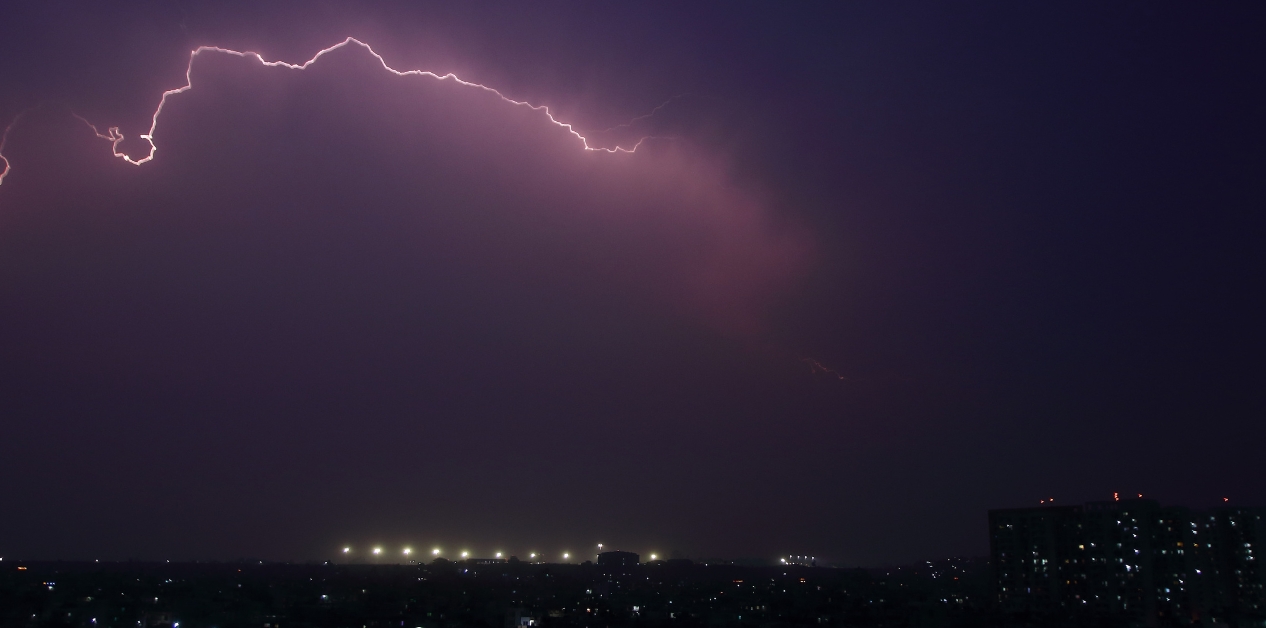
Lightning in Nepal: Everything You Need to Know About a Threat the Country Still Underestimates
Summary
Lightning strikes in Nepal have caused nearly a thousand deaths over 12 years, making it the deadliest natural hazard after earthquakes. Risk is highest in southern and mid-hill regions, with climate change expected to increase lightning frequency and severity.
Key Points
- Lightning has caused 964 deaths in Nepal from 2014 to 2025, averaging 80 annually, making it the second deadliest natural hazard after earthquakes.
- Most lightning deaths occur in southern border districts and mid-hill regions like Makwanpur, Morang, and Udayapur, with rural agricultural workers being most vulnerable.
- Nepal's geography and climate make it highly prone to lightning, with mountainous terrain amplifying strike frequency and climate change expected to increase risk.
- Despite the high mortality, Nepal lacks a national lightning safety policy, comprehensive early warnings, or dedicated legislative frameworks to manage this hazard.