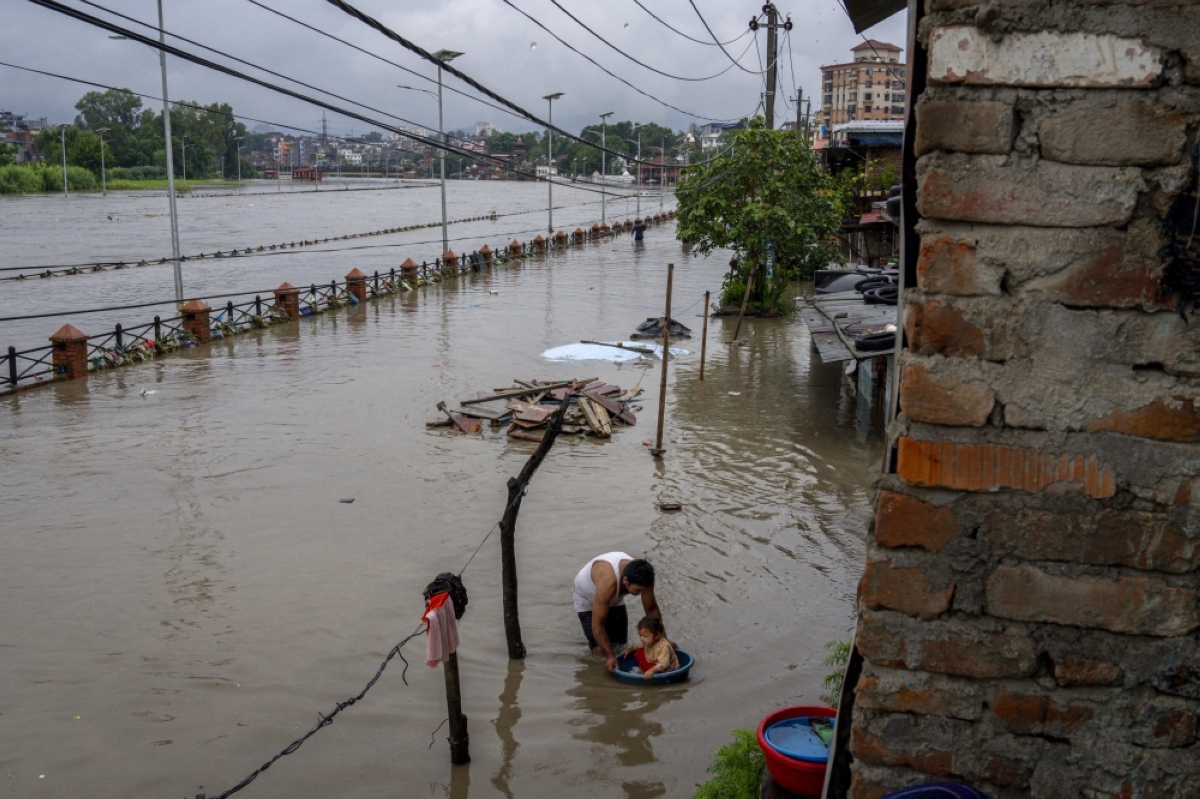
When the monsoon returns, so do preventable diseases: The fight begins before the outbreak
Summary
Nepal faces recurrent outbreaks of preventable infectious diseases every monsoon due to water contamination, vector breeding, and weak health preparedness. Effective prevention requires improved water safety, sanitation, surveillance, and local government action.
Key Points
- The monsoon season in Nepal triggers predictable outbreaks of waterborne and vector-borne diseases such as dengue, cholera, and typhoid.
- Changing climate and urban growth have expanded disease risks beyond traditional vulnerable areas like the Tarai to hills and mountains, including Kathmandu Valley.
- Effective control requires integrated efforts in water safety, waste management, clinical preparedness, surveillance, and local government engagement.
- Preventing monsoon diseases is a governance issue linked to social inequalities, requiring a One Health approach and proactive planning before outbreaks occur.