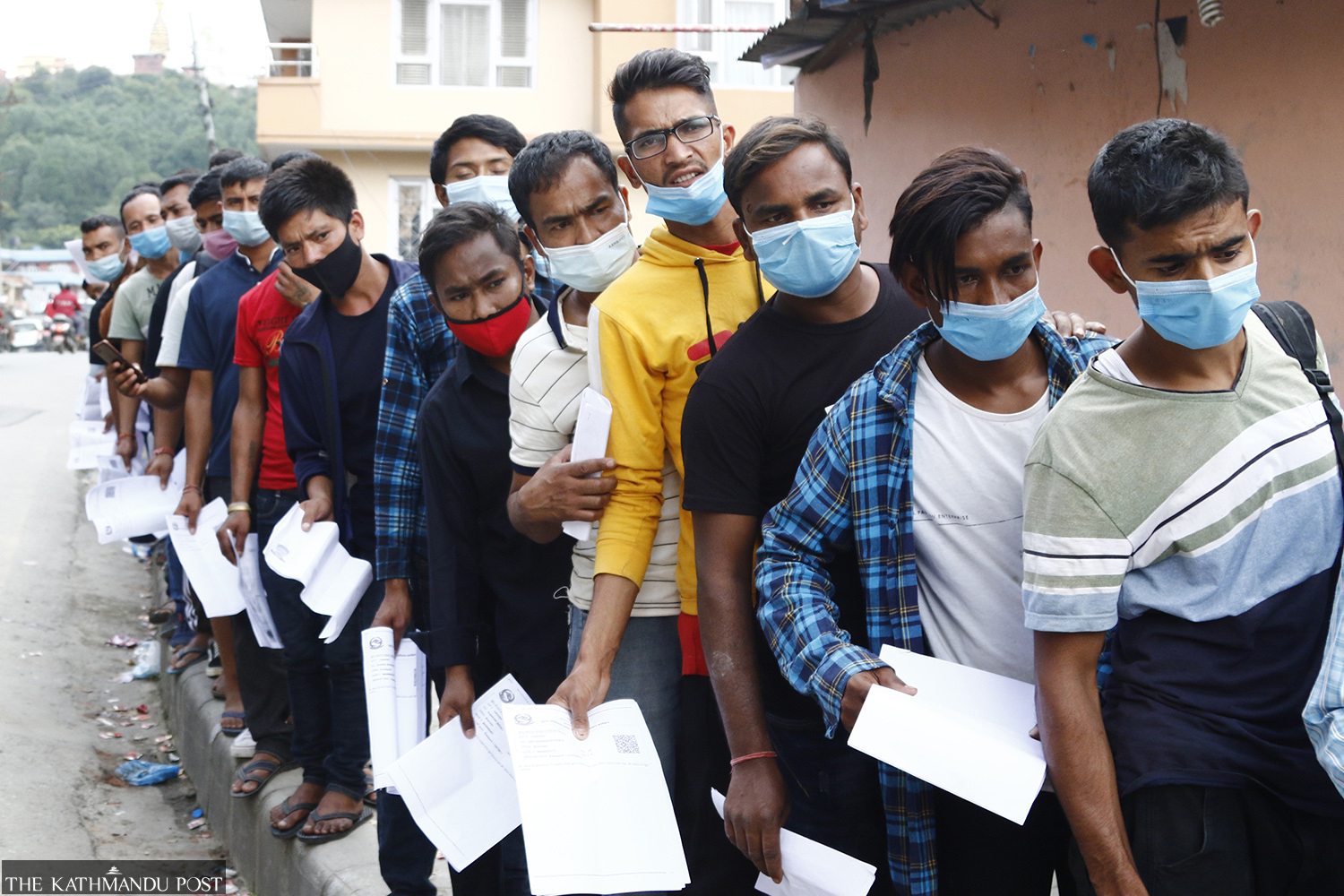
Migrant workers, Nepal’s cash cow, left underprotected against Gulf risk
Summary
Nepali migrant workers face fragmented social protection at destination countries, especially in the Gulf, exposing them to risks amid the West Asia conflict, despite government efforts and Social Security Fund initiatives.
Key Points
- Nepal’s economy depends heavily on remittances, with 4.4 million Nepalis working abroad and remittances accounting for over 33% of GDP.
- Migrant workers face inadequate social protection due to legal status, low awareness, employer practices, and administrative challenges.
- The Social Security Fund covers 2.2 million migrant workers with benefits including medical, disability, and dependent pensions, but sustained contribution remains low.
- Stronger coordination with Gulf Cooperation Council countries and integration of social protection mechanisms are needed to improve coverage for Nepali migrant workers.