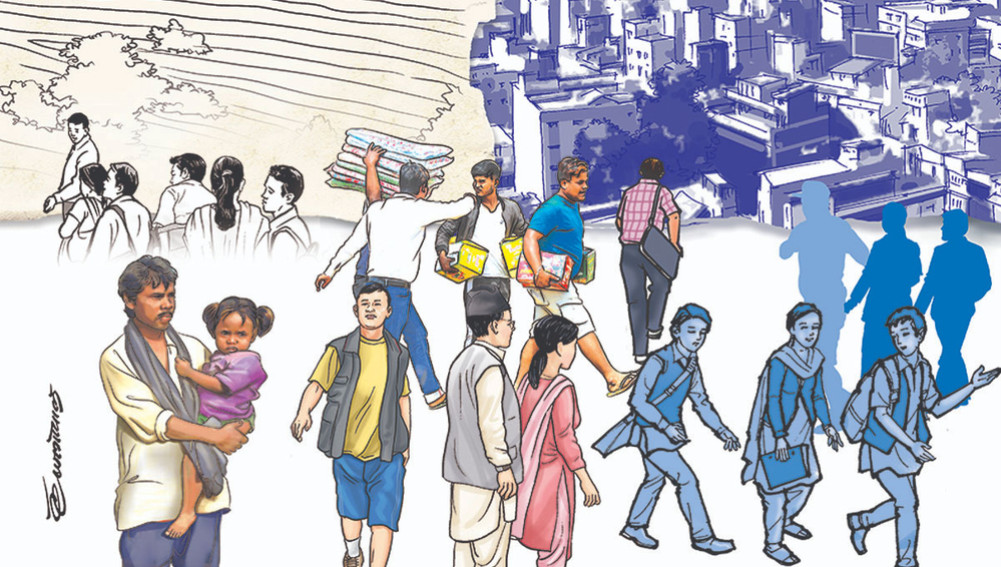
Opinion | Designing Nepal from behind the veil
Summary
The author reflects on Nepal's need for just governance inspired by John Rawls' theory, emphasizing fair citizenship laws, equitable development, and inclusive policies that serve all communities, especially the marginalized.
Key Points
- John Rawls' theory of justice, based on the 'veil of ignorance', provides a framework for fair governance in Nepal.
- Nepal's citizenship laws disproportionately favor children born to Nepali fathers over Nepali mothers, creating injustice.
- Developmental expenditures and infrastructure concentrate in Kathmandu, neglecting marginalized provinces like Madhesh and Karnali.
- Nepal’s civil service exams in Nepali marginalize non-Nepali speaking communities, highlighting structural inequities in governance.