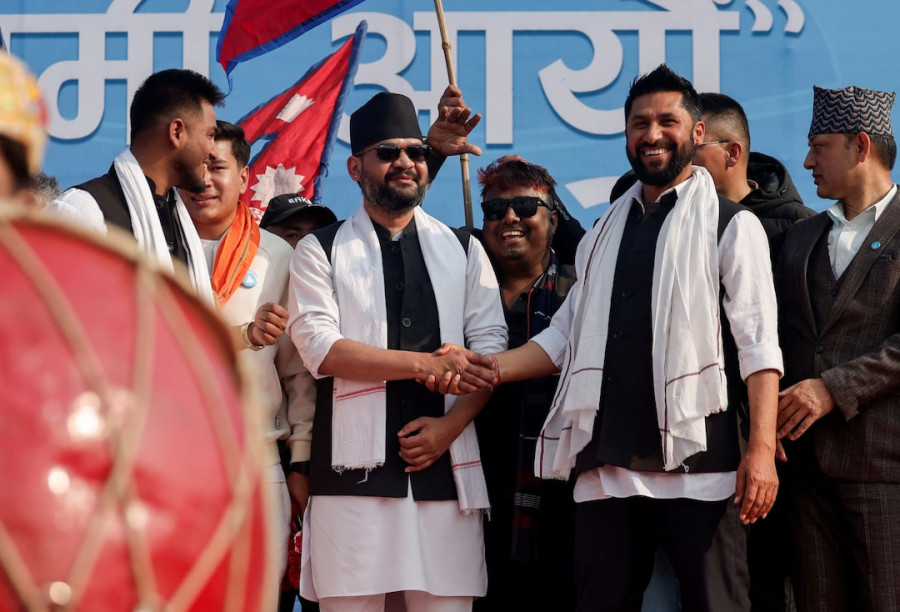
Gen Z view: Risk of centralised power
Summary
The Rastriya Swatantra Party holds a strong majority in Nepal's parliament, posing risks of centralised power and potential constitutional changes that could destabilise the federal balance.
Key Points
- The Rastriya Swatantra Party holds about 66% of Nepal's parliament, nearing a constitutional supermajority.
- Strong majority under Prime Minister Balendra Shah enables swift law passage and cabinet control with minimal dissent.
- Judicial and constitutional appointments may be influenced by the dominant party, risking judicial independence.
- Rapid decisions and centralised leadership could lead to constitutional amendments and threaten Nepal's young federal system.