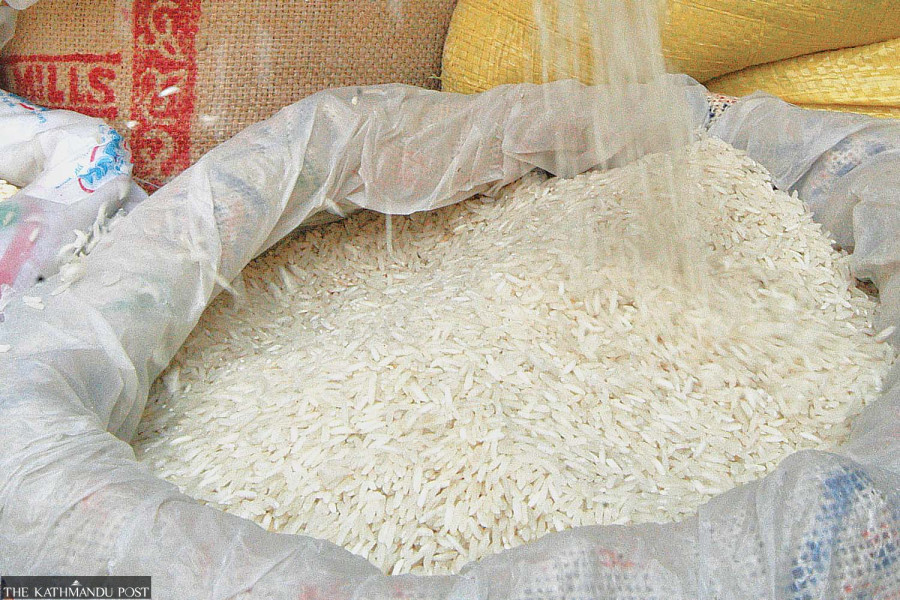
Study finds pesticide traces in Kathmandu rice, 11 chemicals detected
Summary
A study finds residues of 11 pesticides, including banned ones, in rice consumed in Kathmandu Valley, with higher levels in basmati rice and Kathmandu samples, posing significant health risks.
Key Points
- A study detected residues of 11 pesticides, including some banned ones, in rice consumed in Kathmandu Valley.
- Rice sold in Kathmandu has higher pesticide residues than rice from Bhaktapur and Lalitpur, with basmati rice containing roughly double residues compared to non-basmati.
- Long-term consumption of pesticide-contaminated rice could lead to serious health issues, including cancers related to the stomach, prostate, and reproductive system.
- The study recommends government action to set pesticide residue standards, improve testing technology, promote bio-pesticides, and introduce crop insurance for farmers.