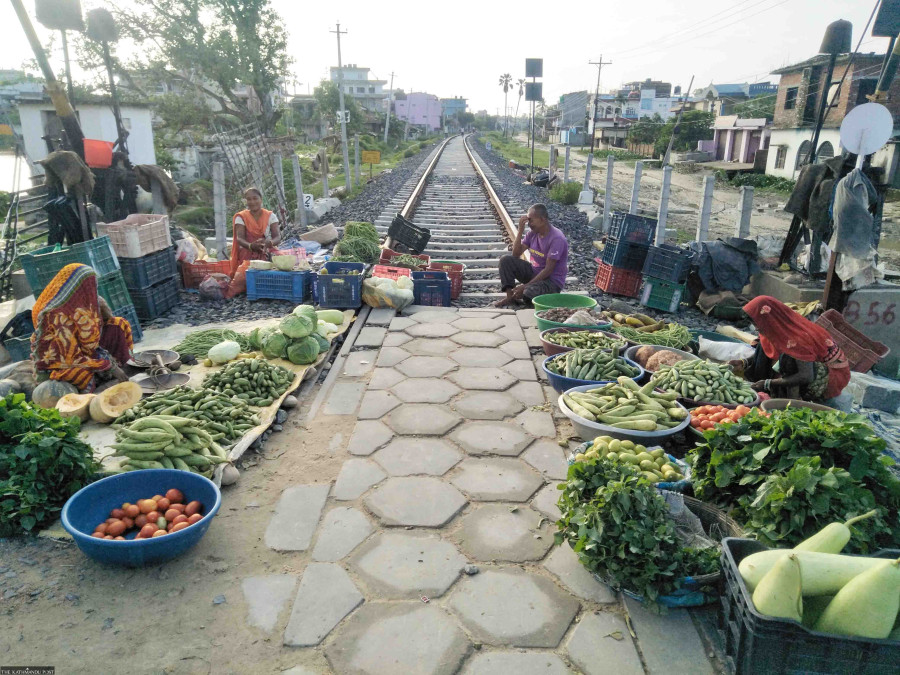
Opinion | Ensuring food security during turmoil
Summary
Nepal faces food insecurity due to declining agricultural production, global conflicts disrupting supply chains, and climate change impacts, prompting calls for both short-term relief and long-term agricultural strategies.
Key Points
- The 2015 Constitution of Nepal guarantees the right to food and food sovereignty for its citizens.
- Nepal's agricultural share in GDP has fallen from 70% in 1975 to 22% in 2025, increasing dependence on food imports.
- Global conflicts like the Russia-Ukraine war and Gulf tensions have disrupted food and fuel supplies, raising costs and impacting food security.
- The government is urged to implement short-term relief like tax cuts on food and fuel and long-term agricultural productivity improvements and standards alignment.
- Climate change and inadequate food standards pose additional challenges to Nepal's food security and trade deficit.