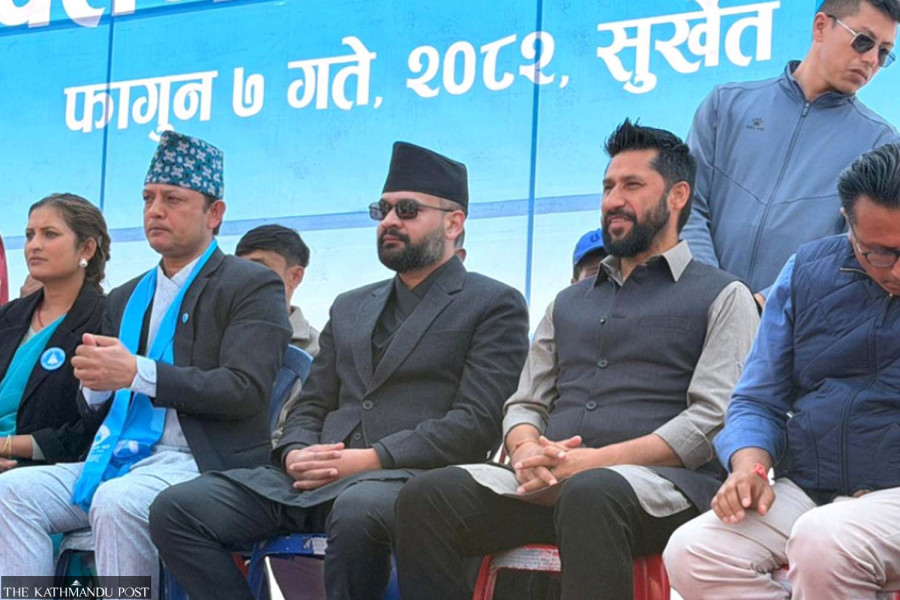
RSP’s rise clouds future of mid-level reformers in old parties
Summary
Nepal's March 5 snap elections have brought a generational shift in political leadership, with the Rastriya Swatantra Party rising significantly and younger leaders taking prominent roles in government and Parliament.
Key Points
- Nepal’s March 5 snap parliamentary election has resulted in a generational shift with younger leaders from the Rastriya Swatantra Party (RSP) gaining prominence.
- The RSP secured 182 seats in the 275-member House, with about 70 lawmakers under the age of 40, overshadowing mid-level leaders in traditional parties.
- Leaders within established parties like Nepali Congress and CPN-UML who championed generational change now face challenges due to the RSP’s rise.
- Political analysts emphasize that leadership change should combine generational transition with ideological clarity and visionary leadership for sustained impact.