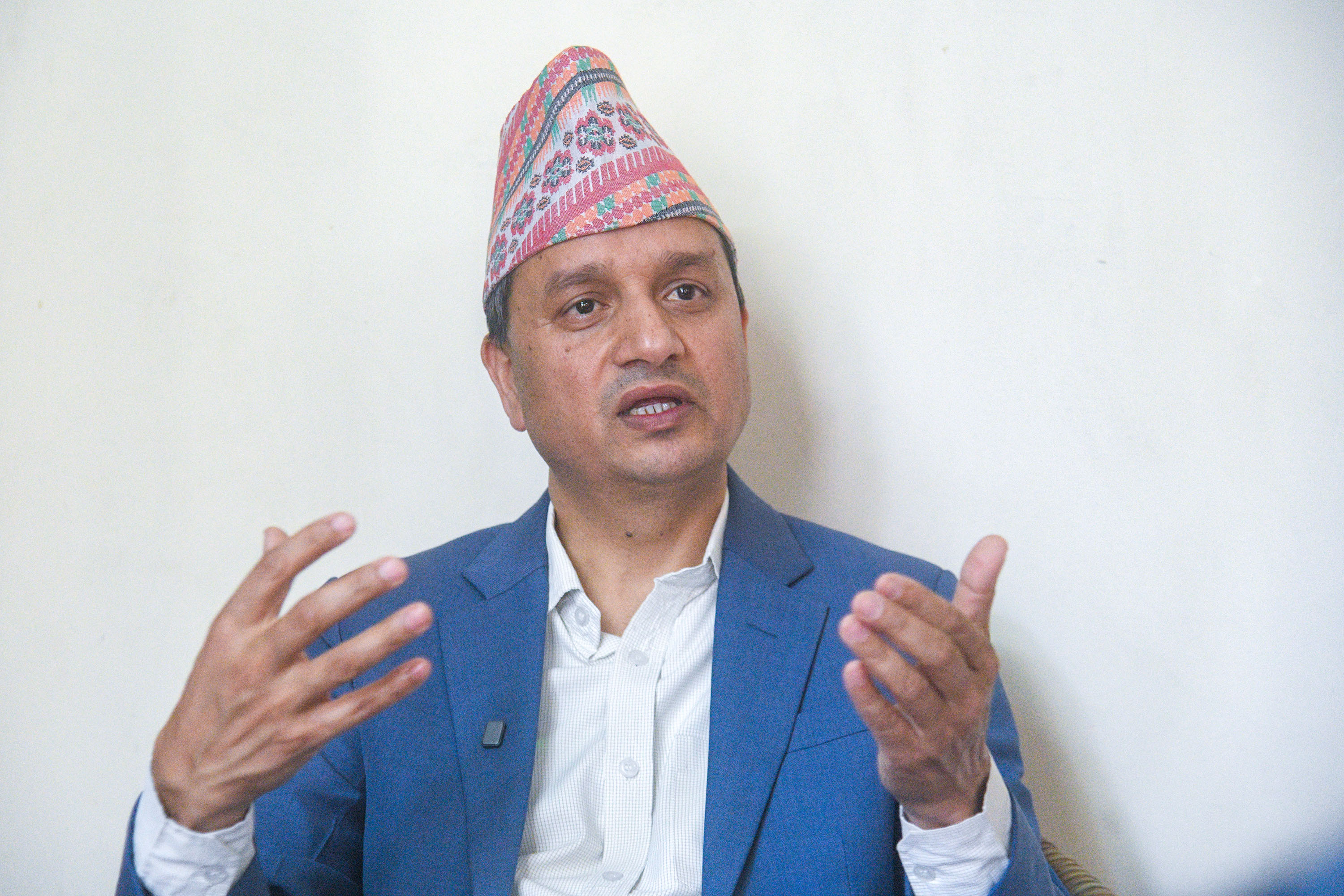
The burden of coping with the fuel hike will largely fall on the middle and lower-middle classes
Summary
The surge in global fuel prices driven by Middle East conflicts is severely impacting Nepal's economy, particularly affecting agriculture, industry, and the service sector and pushing inflation higher. The government promotes consumption reduction and clean energy, but the middle and lower-middle classes bear most of the burden.
Key Points
- Global fuel price hikes due to Middle East conflicts are causing inflation and economic challenges in Nepal.
- Agriculture, which employs 62% of Nepal's population, faces a crisis due to high fertiliser costs and supply shortages.
- Industrial growth is further hindered by fuel price increases amidst existing challenges.
- Government measures include two-day public holidays, promoting electric vehicles, and encouraging digitalization to reduce fuel use.