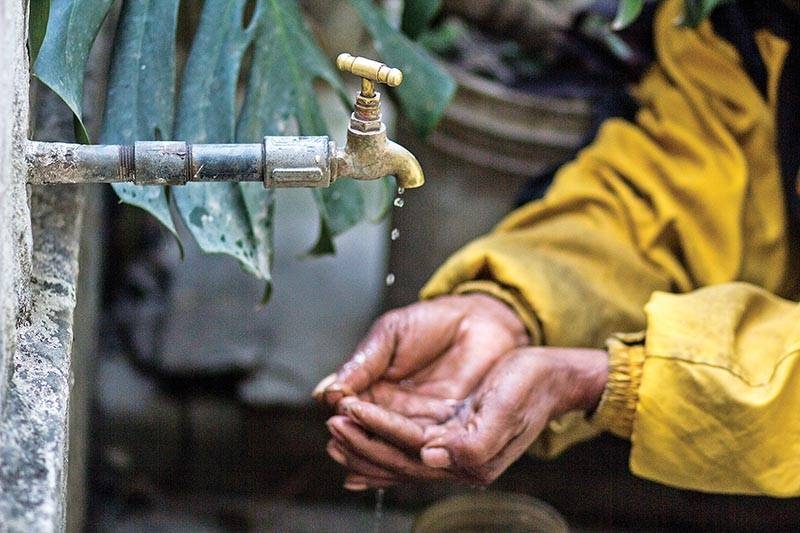
"World Water Day celebrations cannot fulfil the water dreams of the deprived"
Summary
Millions in Nepal's hills and mountains still lack access to safe water, with many relying on contaminated sources amid climate change impacts. Despite national progress, water scarcity remains a profound social and gender issue affecting health and education, especially for women and girls.
Key Points
- Around four million people in Nepal lack access to basic safe drinking water, with rural areas facing more severe shortages.
- Many water supply systems and sanitation facilities in Nepal are dysfunctional due to poor maintenance and water scarcity.
- Women and girls in hilly and mountainous regions bear the primary burden of collecting water, impacting their education and wellbeing.
- Climate change and environmental degradation are causing the depletion of spring sources and groundwater, worsening water scarcity in Nepal.