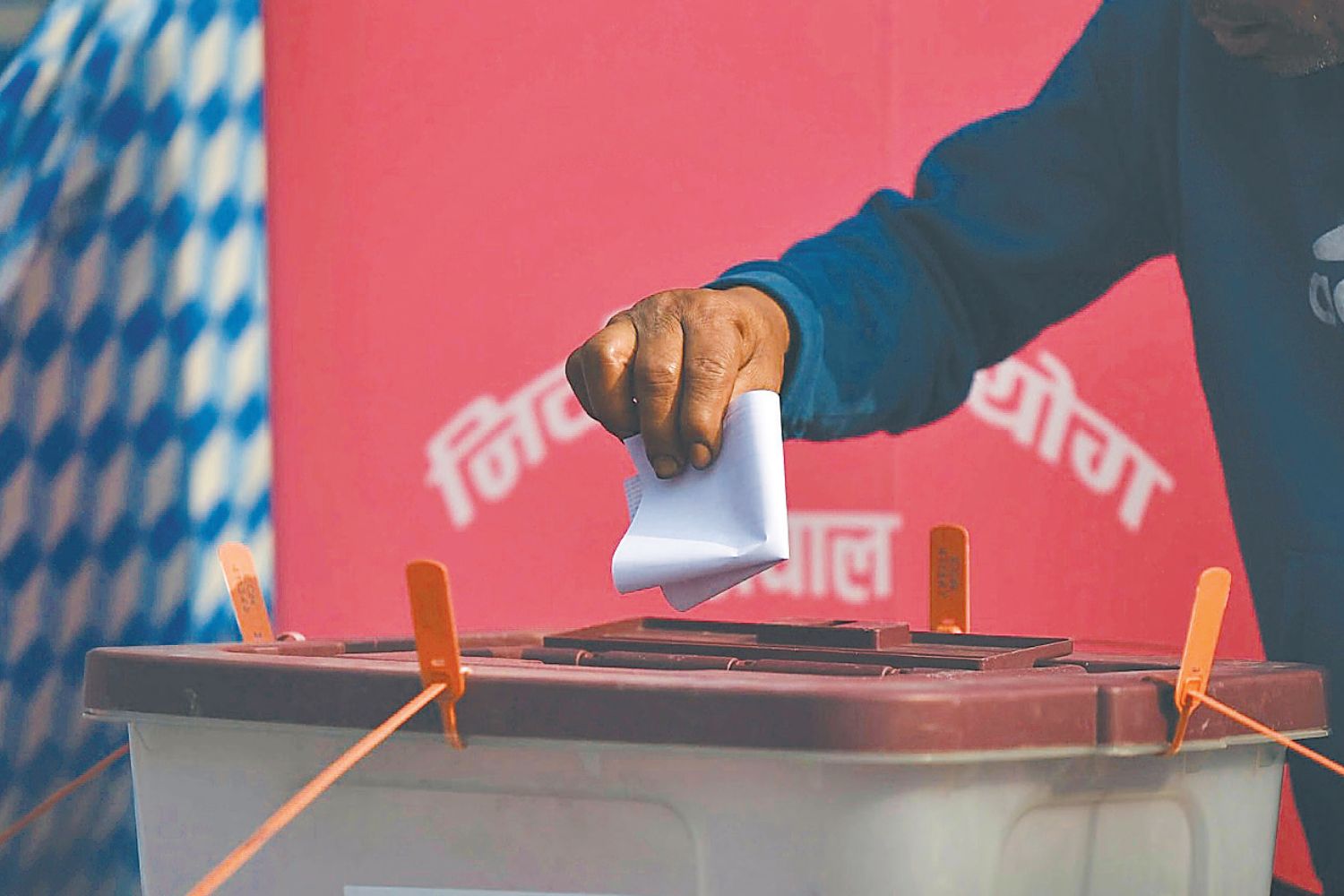
Opinion | Rethinking electoral systems
Summary
Nepal's 2026 election success of the Rastriya Swatantra Party has reignited debates on electoral reform to balance representation, stability, and legitimacy in governance.
Key Points
- The Rastriya Swatantra Party's success in Nepal's 2026 elections has brought attention to potential electoral system reforms.
- Nepal's current mixed electoral system combines first-past-the-post and proportional representation aiming for local representation and proportional fairness.
- The first-past-the-post system can result in vote fragmentation and legitimacy debates due to plurality winners without majority support.
- Proportional representation in Nepal faces criticism for centralised party leadership control, limiting plural representation.
- Comparative electoral models from France and Bhutan offer alternative approaches to address fragmentation and legitimacy.
- Electoral reform in Nepal should balance plural representation with stability and legitimacy while respecting cultural and geographic diversity.
- Reforms could include stronger internal party democracy, transparent alliances, or filtered models to reduce vote fragmentation.
- Electoral systems should evolve as tools to ensure credible representation, legitimate governance, and open political competition.