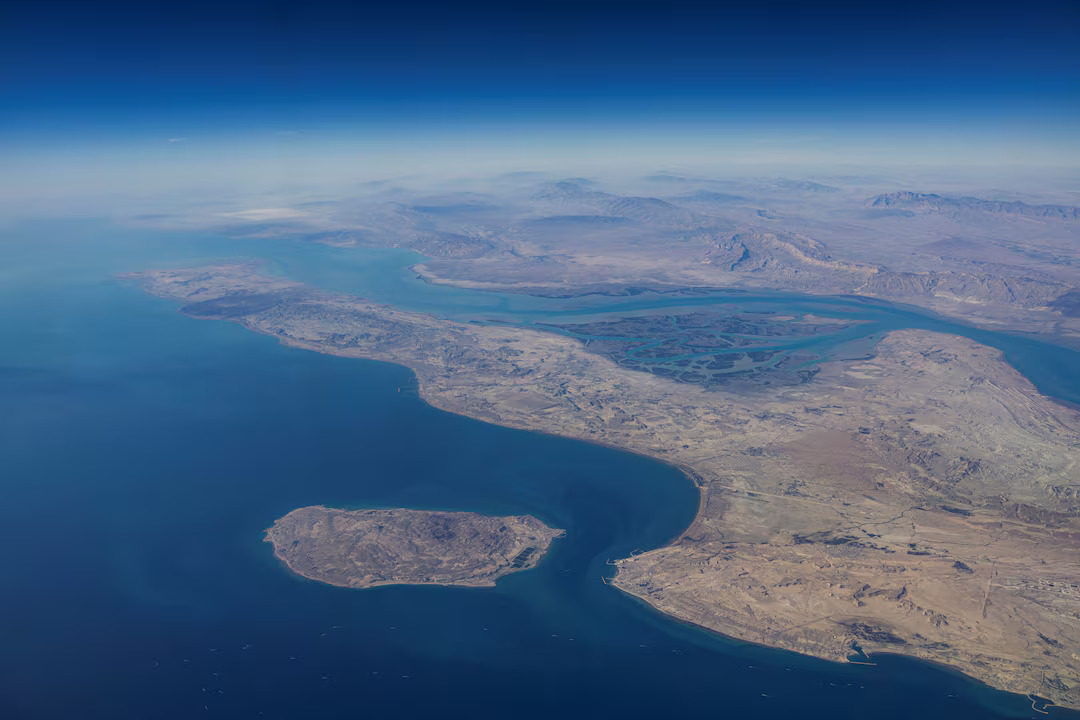
Opinion | How the Iran war could create a ‘fertiliser shock’
Summary
Closing the Strait of Hormuz would disrupt global fertiliser supplies and natural gas flows, triggering a fertiliser shock that threatens crop yields and global food security.
Key Points
- The Strait of Hormuz is crucial for the shipping of about a third of globally traded urea fertiliser, essential for modern agriculture.
- Closure of the Strait would disrupt ammonia, urea, and LNG shipments, raising fertiliser prices and reducing supply, impacting global food production.
- Countries like India, Brazil, and the US rely on imports of fertilisers or gas linked to this route, making them vulnerable to disruptions.
- A fertiliser shock would have delayed but severe impacts on crop yields and food prices, potentially exacerbating global food insecurity and social unrest.