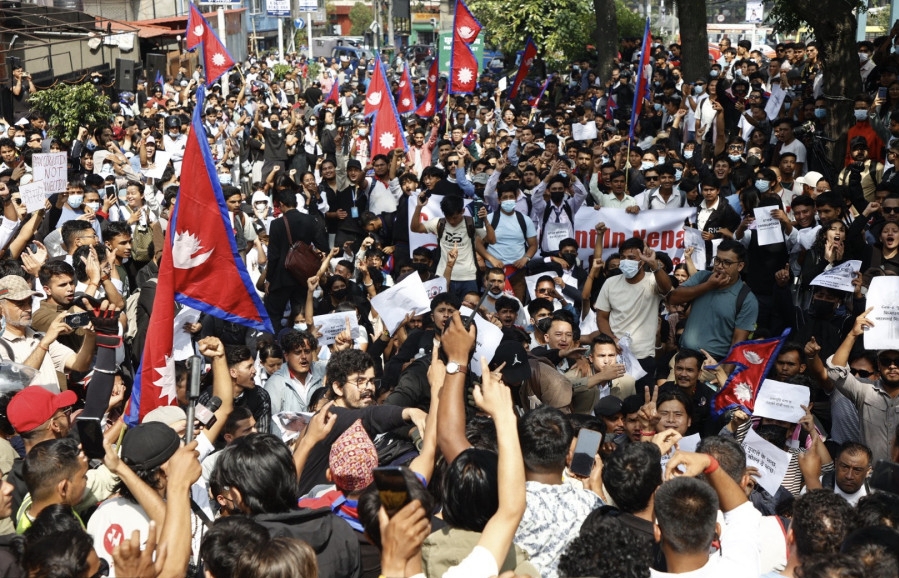
Opinion | Post-Gen Z movement foreign policy
Summary
Nepal's political transition driven by the Gen Z movement demands a recalibrated foreign policy focusing on strategic flexibility and diversified international partnerships amid a fractured global order.
Key Points
- Nepal's political transition after the Gen Z movement coincides with a fragmented global order shaped by power politics rather than principles.
- Small states like Nepal face challenges due to declining multilateralism and growing economic weaponisation in international affairs.
- Nepal's foreign policy must shift from ideological stances towards pragmatic, multi-dimensional cooperation resembling models of countries like Singapore and Vietnam.
- Soft power assets, diplomatic capacity expansion, and strategic diversification of international partnerships are key for Nepal's future global relevance and sovereignty.