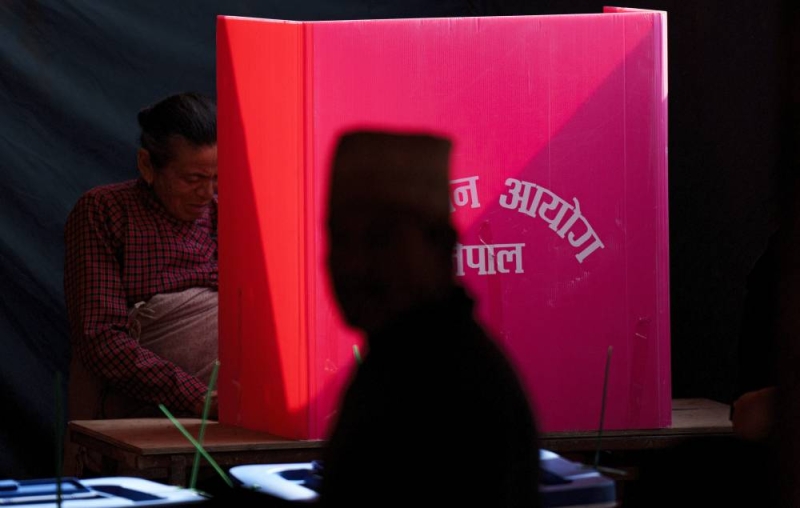
Time for a decision: Whom to vote?
Summary
Nepal's election sees fierce competition among old and new political parties with voters facing choices amid calls for addressing corruption and governance issues, influenced by Gen Z aspirations. The major contenders include NC, UML, RPP, RSP, and others, each with distinct challenges and leadership.
Key Points
- The upcoming Nepalese election features intense competition among old and new political parties with over 68 parties participating.
- Voters' decisions are influenced by party identity, candidate profiles, policy positions, campaign strategies, and economic conditions, plus Gen Z's focus on anti-corruption and good governance.
- Major parties include Nepali Congress (NC), UML, Rastriya Prajantra Party (RPP), Rastriya Swatantra Party (RSP), and several others, with leadership and integrity issues impacting their popularity.
- Key prime ministerial candidates debated include KP Oli (UML), Balen Shah (RSP), and Gagan Thapa (NC), with voters weighing oratory skills, leadership, and past governance records.